How much do lip fillers usually cost?
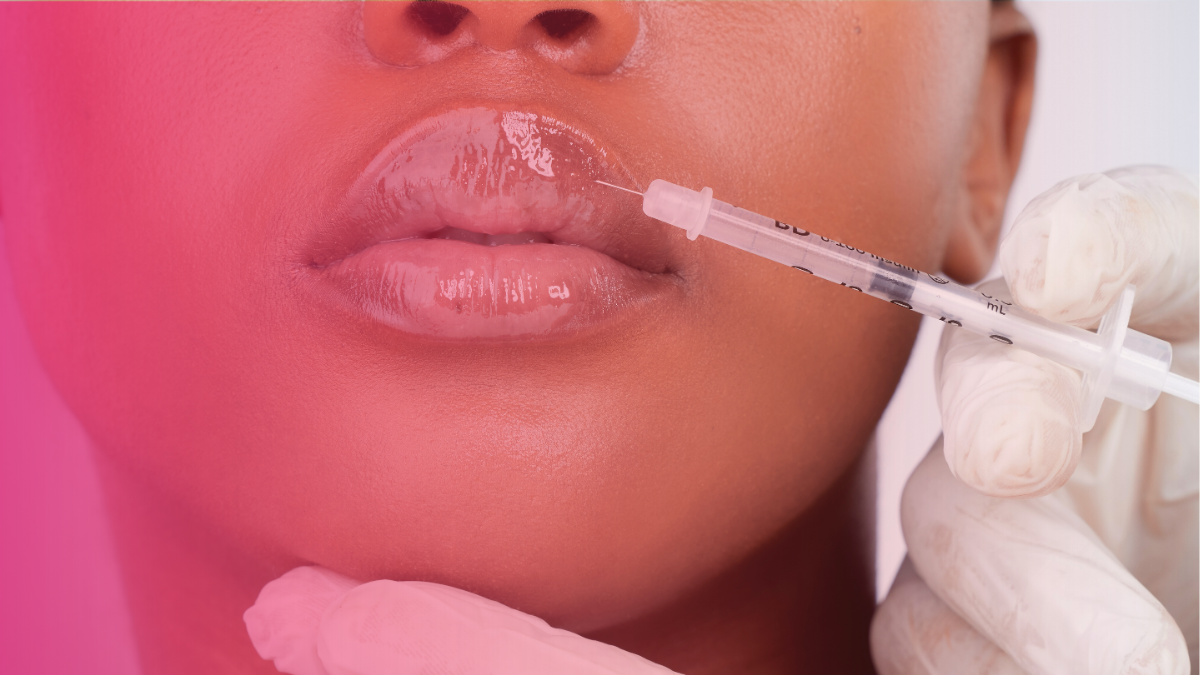
Most providers charge between $500 and $750 per syringe for lip filler, which puts the typical appointment somewhere in the $500 to $1,500 range depending on whether you need one syringe or two. First-time patients often start with half a syringe to see how their lips respond, while patients seeking a more noticeable change usually use one full syringe. Major metros such as New York and Los Angeles skew toward the higher end of that range, and secondary markets sit closer to the lower end.
That per-syringe number is only part of the picture, because lip filler is a recurring cost rather than a one-time purchase. Hyaluronic acid filler breaks down over six to twelve months, so a patient who maintains their result is realistically budgeting for one to two appointments a year. Understanding what drives the price, how much product you actually need, and what the treatment will and will not do is the difference between a predictable annual expense and a series of surprises.
What drives the price of lip filler up or down?
Four things move the number more than anything else. The first is geography. Practices in high-cost metros pay more for space and staff, and their pricing reflects it, which is why the same syringe of the same product can differ by a few hundred dollars between cities.
Prices vary by location and provider.
The second is who is injecting. A board-certified dermatologist or plastic surgeon generally charges more than a nurse injector or physician assistant working under medical supervision. That premium is not automatic proof of a better result, because lip injection is a technique-driven procedure and there are outstanding nurse injectors and mediocre physicians. It does reflect training, overhead, and demand.
The third is the product itself. Filler brands are not interchangeable, and the thicker, longer-lasting formulations often carry a higher price per syringe than the softer ones designed for fine lip detail.
The fourth is how the practice prices. Some quote per syringe, some quote per treatment area, and some sell packages or membership plans that reduce the effective per-visit cost. Timing plays a smaller but real role. Practices frequently run promotions around manufacturer loyalty programs, and those rebate points accumulate toward future treatments if you register for them. Ask whether the practice participates and whether your treatment qualifies, since patients who never enroll leave that value on the table entirely.
Ask which model applies before you sit in the chair, and ask whether the quoted price includes the follow-up appointment where small adjustments are made. That follow-up is standard at many practices and billed separately at others.
How many syringes of lip filler will you actually need?
For a subtle, natural enhancement on lips that have not been treated before, half a syringe to one full syringe is the usual starting point. One syringe is one milliliter of product, which is a smaller volume than most people picture, and in the majority of cases it produces a visible but restrained change rather than a dramatic one.
Patients who want significant volume, or who are correcting noticeable asymmetry, sometimes need two syringes, though experienced injectors commonly split that across two appointments several weeks apart rather than placing it all at once. Building volume gradually reduces the risk of overfilling, allows the tissue to settle between sessions, and gives you a decision point before you commit to more product.
Age and starting anatomy matter too. Lips lose volume naturally over time, so a patient in their fifties restoring lost fullness may need more product than a patient in their twenties adding definition. It is also worth knowing that unused product is generally not banked for later. A syringe is opened for you and used at that appointment, so a decision to place half a syringe usually means paying for a half-syringe rather than saving the remainder for your next visit. Confirm how your practice handles this before you decide to split, because the answer changes the arithmetic on whether starting small actually costs less over a year.
Any provider quoting you a fixed number of syringes before examining your lips is quoting a price, not a plan.
What is the downside of lip fillers?
The most significant downside is that the results are temporary, which makes the cost ongoing if you want to maintain the volume. Hyaluronic acid breaks down over six to twelve months, and most patients notice the softening well before the filler is fully gone.
Swelling after the appointment typically lasts three to five days and is often pronounced enough that patients plan around it, particularly for the first 48 hours. Bruising is common, and it can take a week or more to fade fully. Asymmetry is possible and is usually correctable at a follow-up visit once the swelling has settled.
The rare but serious risk is vascular occlusion, where filler is inadvertently placed into or compresses a blood vessel and restricts blood supply to the tissue. This is uncommon, and it is a medical urgency when it happens. It is also the clearest argument for choosing an experienced, medically qualified injector who works in a practice stocked with hyaluronidase and who knows how to recognize the warning signs immediately. Ask that question directly before you book.
The signs worth knowing yourself are blanching or a white patch on or around the lip, pain that is out of proportion to the injection or that increases in the hours afterward rather than easing, and skin that develops a dusky, mottled, or bluish discoloration. Ordinary swelling and bruising build gradually and feel proportionate, while an occlusion tends to announce itself through pain and color change that do not fit the rest of the picture. Any of those warrants calling your injector straight away rather than waiting overnight to see whether it settles, because hyaluronidase works best when it is given early.
How long do lip fillers last?
Six to twelve months is the usual range, and lips tend to sit at the shorter end of it compared with other areas of the face. The lips move constantly with speaking, eating, and expression, and that movement accelerates the breakdown of the product.
Individual metabolism matters more than most patients expect. Some people metabolize hyaluronic acid noticeably faster than average and see their result soften at four to six months, while others hold volume for a year or more from the same product. Younger patients and those with faster metabolisms often fall into the first group.
The practical consequence is that your first appointment does not tell you what your annual cost will be. Track how long your result lasts, and you will have a far more accurate budget by the second or third round.
Is there a difference between lip filler brands?
There is, and it is worth understanding before you accept whatever is on the shelf. Hyaluronic acid fillers differ in how thick they are, how much they attract water, and how they behave in tissue that moves constantly.
Softer, more flexible formulations are generally chosen for fine lip lines and for patients who want a natural feel with subtle definition. Firmer formulations hold shape more assertively and are often selected for structural projection or noticeable volume. Some products are specifically formulated for lips and some are not, and using a product designed for deep cheek volume in the lip is a technique decision that experienced injectors avoid.
Ask which product your injector plans to use, why they chose it for your lips specifically, and what they would use instead if you wanted a softer result. A good injector has a clear answer. Practices that will not name the product they are using are a reason to walk away.
What will lip filler not do?
Lip filler adds volume and can improve shape, definition, and symmetry. It does not tighten skin, it does not remove fine vertical lines caused by sun damage or smoking on its own, and it does not lift a lip that has descended significantly with age.
It also does not change the proportion between your upper lip and your nose, which is what a surgical lip lift addresses. Patients with a long distance between the base of the nose and the upper lip sometimes find that adding filler makes the area look heavier rather than more youthful, and a lip lift is the procedure that actually addresses that anatomy.
Filler will not fix a gummy smile, and it will not create a result that ignores your underlying dental and bone structure. An injector who explains those limits at the consultation is protecting your money as much as your face.
Who is not a good candidate for lip filler?
Patients who are pregnant or breastfeeding are generally advised to wait, since these products have not been studied in that population. Anyone with an active infection or cold sore outbreak in or around the lips should postpone, because injecting through an active outbreak can spread it. Patients with a history of frequent cold sores often receive antiviral medication before treatment as a precaution, so mention it during the consultation rather than on the day.
A history of severe allergic reactions, certain autoimmune conditions, and some bleeding disorders or blood thinners all warrant a conversation with your provider and sometimes with your physician before you proceed. Patients who have had permanent or semi-permanent fillers placed in the past need to disclose that clearly, because it changes both the risk profile and the options for correction.
Expectations matter as well. A patient who wants a dramatic transformation from half a syringe, or who is chasing a look that does not fit their anatomy, is not well served by an injector who simply says yes.
How much does it cost to dissolve lip filler?
Hyaluronidase, the enzyme that breaks down hyaluronic acid filler, is the reason this category is more forgiving than most. If you dislike the result, or if a complication occurs, the product can be dissolved rather than waited out.
Dissolving is commonly priced around $250 per session nationally, and some patients need more than one session depending on how much product is present and how long it has been in place. It is a separate appointment with its own fee, and it comes with its own swelling. Some practices waive or discount the fee when they are correcting their own work within a defined window, which is a fair question to ask before you choose an injector.
Plan for the possibility rather than assuming you will never use it. Knowing the reversal exists, what it costs, and who would perform it removes most of the anxiety from a first appointment.
What happens to lips after years of filler?
Most patients who maintain lip filler for years do so without difficulty, and the honest answer is that long-term outcomes depend heavily on how much product is placed, how often, and by whom.
The concern raised most frequently is migration, where product appears to move beyond the border of the lip over time, producing a shelf above the upper lip or a blurred lip line. It is observed often enough that experienced injectors plan around it, and the contributing factors are still debated within the field. Overfilling, repeated treatment before the previous product has broken down, and placement too close to the lip border are the explanations most commonly offered. If you notice your lip line softening or product sitting above it, raise it early rather than adding more filler on top.
Repeated overfilling can also stretch the tissue, which is a different problem from migration and a slower one to correct. This is the practical argument for treating conservatively and for allowing product to break down substantially before topping up, rather than booking on a fixed calendar regardless of what your lips look like.
Dissolving and starting fresh is a legitimate option if things have drifted, and many injectors will recommend it before they will agree to add more. A provider who declines to inject you on a given day is often the one protecting your long-term result.
What should you ask before booking lip filler?
Ask what the total cost will be, including any follow-up appointment, rather than only the per-syringe price. Ask which product will be used and why. Ask how many syringes the injector recommends and whether they would split it across two visits.
Ask about the injector’s credentials and how long they have been injecting lips specifically. Ask whether hyaluronidase is stocked on site and what the practice protocol is if a vascular complication occurs. Ask to see before and after photographs of patients whose starting lips resemble yours, taken at the same angle in consistent lighting.
Finally, ask what they would advise if they thought filler was the wrong choice for you. The answer tells you a great deal about whether you are speaking to a clinician or a salesperson.
Find providers near you
Comparing prices before you book is the only way to know whether a quote is in line with your market. Browse the lip filler cost guide to see what providers near you actually charge per syringe, and read the lip filler recovery guide for a day-by-day view of swelling, bruising, and when your final result settles.
Compare Lip Filler providers and estimated prices near you.
Lip Filler cost guide →This article is for general education about aesthetic treatments and pricing. It is not medical advice and is not a substitute for a consultation with a licensed provider. Always confirm current pricing and suitability directly with a provider before booking.
New aesthetic treatment blogs every week, sent straight to your inbox.
Subscribe on Substack →
Comments
Comments are reviewed before they appear. For medical questions, please consult a licensed provider — we cannot give medical advice here.
Loading comments…