What a root-cause dermatologist wants you to know before your next treatment
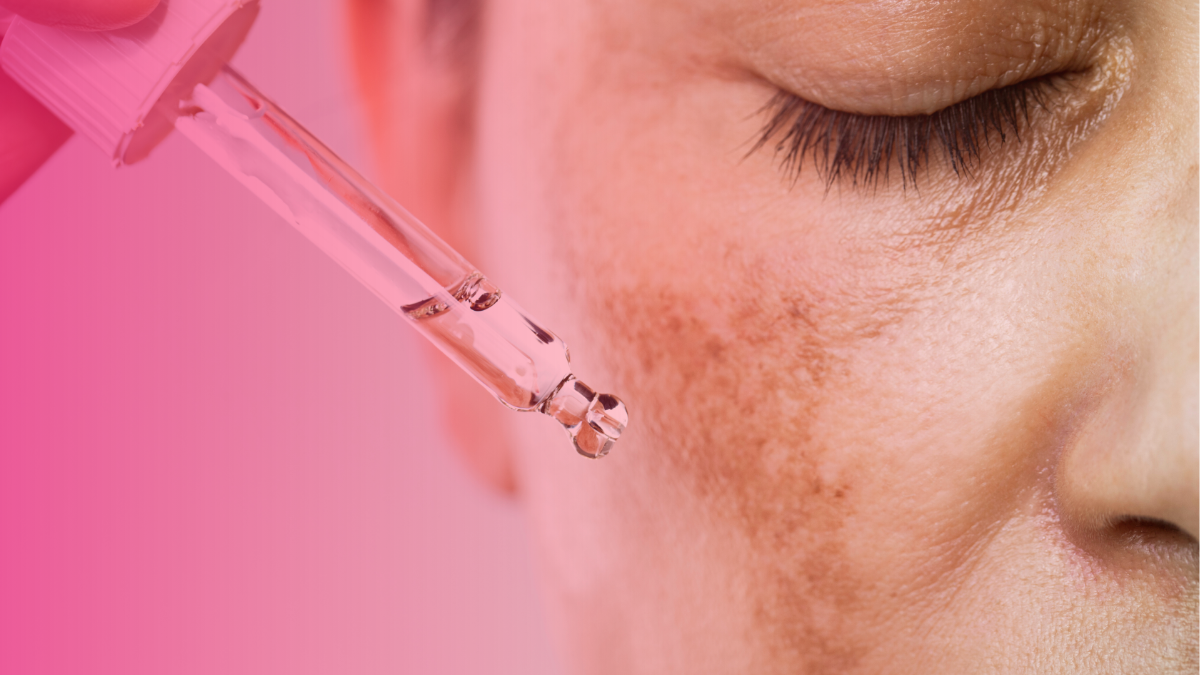
On the Get Clear Beauty Podcast, we sat down with Dr. Cheryl Lee Eberting, a board-certified, root-cause dermatologist who has spent her career on something most of us overlook: the health of the skin barrier itself. She trained at the National Institutes of Health studying the most severe eczema cases in the world, built a skincare line out of that research, and now trains other physicians in dermatology. Here is what stood out.
What root-cause dermatology actually means
Most dermatology treats the symptom on the surface. Root-cause dermatology looks at the whole person. Dr. Eberting explained that a condition like psoriasis is not just a skin problem — it is a cardiometabolic, inflammatory one, and roughly 40 to 45 percent of people with psoriasis also have non-alcoholic fatty liver disease, alongside higher rates of hypertension, diabetes, and cardiovascular disease. Her approach is to address the underlying drivers through nutrition, lifestyle, and targeted testing rather than only prescribing a medication to suppress the symptom.
Prices vary by location and provider.
There is no single diet or protocol that works for everyone. For one person a change in nutrition helps; for another the answer is different. The point is to look at your gut, immune system, hormones, and genetics together, often with in-depth functional lab work, instead of applying one rule to every patient.
Why this matters before a cosmetic treatment
Here is the line worth remembering if you are considering any resurfacing or cosmetic procedure: optimize your skin barrier first, and your outcomes will be better. A calm, healthy, well-functioning skin barrier going into a treatment sets you up for a better result coming out of it.
Less is more in skincare
Dr. Eberting is direct about the 20-step routine: every ingredient you apply is a decision your skin's immune system has to make. She described being sent a product with 200 ingredients and pointed out that each one is something your skin has to accept or reject — and rejection means inflammation. When she built her own line, she screened ingredients not just for allergens but for whether they disrupt hormones, mutate DNA, or persist in the environment. Her philosophy is simpler and, in her words, less is more.
Her skincare line
Dr. Eberting's line is CLMD Sensitive Skincare, built over five years of studying skin barrier biology. It includes two systems — TrueLipids, for skin barrier optimization, and TrueCider, for skin barrier acidification — that work together. Her go-to is the "Timeless Trio": an acidic cleanser, an acidic serum, and a barrier-optimizing lotion, which she prices at around $97 for all three. You can find it at clmd.com.
For providers
Dr. Eberting also trains non-dermatologists in dermatology through ExpertDerm, a comprehensive online program — worth knowing about if you run a med spa and want to deepen your skin expertise. And patients or providers looking for a telederm consultation can find ExpertDerm-certified providers at azova.com/dermatology.
Thank you to Dr. Cheryl Lee Eberting for joining us — follow her at @cherylleemd on Instagram. You can listen to the full episode wherever you get your podcasts, and find more at getclearbeauty.com.
Search aesthetic treatments by concern, budget, and location — prices shown before you book.
Find a provider →This article is for general education about aesthetic treatments and pricing. It is not medical advice and is not a substitute for a consultation with a licensed provider. Always confirm current pricing and suitability directly with a provider before booking.
New aesthetic treatment blogs every week, sent straight to your inbox.
Subscribe on Substack →
Comments
Comments are reviewed before they appear. For medical questions, please consult a licensed provider — we cannot give medical advice here.
Loading comments…