Why Does Hair Shedding Start Months After COVID, Surgery or a GLP-1?
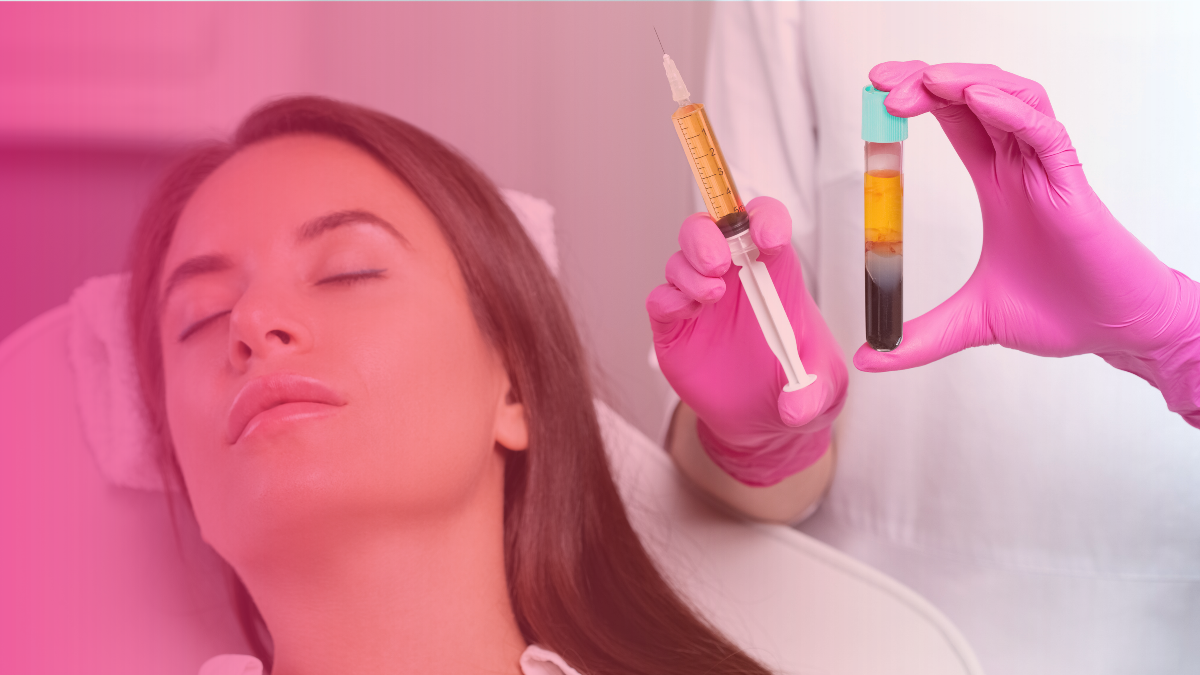
Hair shedding after a serious illness, an operation or a fast stretch of weight loss almost never starts straight away. It usually starts around two to four months later, which is why so many patients never connect it to the thing that caused it. The hair cycle explains the gap. A physical shock pushes a large number of hairs out of their growing phase early and into their resting phase, and a resting hair stays anchored in the scalp for roughly two to three months before it is released. The handfuls in the shower are the delayed release of hairs that quietly stopped growing months earlier.
The medical name for this pattern is telogen effluvium, and the timing is the most dependable thing about it. Shedding appears anywhere from six weeks to four months after the trigger, most often at two to three months. In most cases it stops within three to six months, and density returns over the following six to twelve months. That sequence is the single most useful thing to understand before spending any money, because it tells you which part of what you are seeing is likely to resolve on its own and which part needs a diagnosis.
Dr. Viktoryia Kazlouskaya has practiced dermatology for more than twenty years and owns Dermatology Circle in New York. She joined the Get Clear Beauty Podcast to talk about why she sees so much more hair loss than she used to, You can find her practice on Instagram, TikTok and Facebook. One of her patients told her that losing her hair felt more painful than cancer would have, and that she would rather have had cancer than lose her hair. Dr. Kazlouskaya raised that to make a point she returns to often, which is that hair loss is not vanity and that it affects some people severely. It is worth holding onto while reading the rest of this, because the pressure to book something immediately is strong and the sequence that actually works starts with a diagnosis.
Why does shedding start months after the thing that caused it?
Every hair on your scalp moves through a long growing phase, a short transition, and a resting phase. At any moment the large majority of your hairs are growing and a minority are resting. A resting hair is not falling out yet. It sits in the follicle, no longer lengthening, waiting to be released when the follicle starts its next growing phase and pushes it out.
Prices vary by location and provider.
A significant physical stress interrupts that pattern. Instead of a small share of hairs entering the resting phase on their usual schedule, a large group is pushed into it early and all at once. Nothing visible happens at that moment, which is the part patients find hardest to accept. The hairs stay put for the normal length of a resting phase, about two to three months, and then they are released together. That release is what you see, and by the time you see it the event that caused it is already in the past.
This is why the search for a cause so often comes up empty when a patient looks at the last two weeks. The relevant window is the two to four months before the shedding started. A fever in June explains shedding in September. An operation in January explains shedding in April. The same logic applies in reverse, which is useful: when shedding begins, the thing to look back at is the season, the illnesses, the medication changes and the weight loss of the preceding few months rather than anything happening now.
The recovery timeline follows the same clock. Once the trigger has passed, the shedding usually stops within three to six months, and the density you lost comes back over six to twelve months as those follicles return to growing. A hair that regrows is short and fine at first, so new regrowth around the hairline and the part is a good sign rather than a new problem.
| Trigger | When shedding usually starts | What usually follows |
|---|---|---|
| COVID or another illness with fever | 6 weeks to 4 months after, most often at 2 to 3 months | Shedding settles within 3 to 6 months and density returns over 6 to 12 months |
| Major surgery | Around 2 to 3 months after the operation | The same pattern, as recovery and normal eating resume |
| Rapid weight loss, including on a GLP-1 medication | Around 2 to 3 months into the fastest phase of loss | Recovery is expected on the same grounds as any telogen effluvium |
| Childbirth | Classically 3 to 4 months after delivery | Resolves over the following several months in most women |
| Crash dieting or very low protein intake | Around 2 to 3 months after the restriction begins | Improves once intake is corrected |
Does COVID, surgery or a GLP-1 really cause hair loss?
Shedding after COVID is real and it is well documented as telogen effluvium rather than as anything more unusual. In one series of biopsied COVID-related hair loss cases, 48 of 62 were telogen effluvium. Dr. Kazlouskaya says hair loss became far more common in her practice after COVID, and the pattern she describes is the one above: an illness with fever, then a gap of a few months, then shedding.
How many people it affects is a question the published evidence cannot answer cleanly. Self-reported prevalence across surveys ranges from 24% to 61%, which is too wide a spread to quote as a figure, so no honest number exists to give you. The explanation that inflammation drives it is a reasonable hypothesis and not an established mechanism. There is also no good long-term evidence that post-COVID shedding persists for years, so a long run of shedding deserves a diagnosis on its own terms rather than being filed under COVID by default.
GLP-1 medications are the trigger Dr. Kazlouskaya says she now sees constantly, and here the published numbers are more usable. A 2025 cohort study in BMJ found alopecia at 6.91 against 5.04 cases per 1,000 person-years compared with a different diabetes drug, which works out to an absolute rate under 0.7% a year, and the cases were non-scarring. A matched 2026 preprint that has not been peer reviewed found 4.24% on tirzepatide against 3.33% on semaglutide. The most likely mechanism is the rapid weight loss itself, along with low protein and low nutrient intake while appetite is suppressed. A drug-specific effect has been suggested but not proven.
That mechanism has a practical consequence worth acting on, because part of it sits inside the patient’s control. Eating enough protein while losing weight quickly is something you can do deliberately, and it is reasonable to raise protein intake and overall nutrition with whoever prescribed the medication. Recovery is expected on the same grounds as any other telogen effluvium, although the studies above did not measure recovery.
Surgery needs one correction. On the podcast Dr. Kazlouskaya said that general anesthesia almost always causes shedding, and that overstates it. Major surgery is a recognized trigger, but the drivers are the surgical and metabolic stress, blood loss, the catabolic state afterwards and interrupted nutrition rather than the anesthetic itself. It does not happen to most people who have an operation.
Do you shed more in autumn?
Yes, and the signal is stronger in autumn than in spring. A study of 823 women followed over six years, published by Kunz in Dermatology in 2009, found that the proportion of hairs in the resting phase peaked in July, with a smaller secondary peak in April. Because a resting hair is released roughly 100 days later, maximum shedding lands in late summer and autumn, with a weaker rise a few months after the spring peak. The same autumn pattern has been found in men.
This matters for how you interpret a few bad weeks. A rise in shedding in September or October, in someone with no other symptoms and no change in their part width, has a plausible ordinary explanation. The sensible response is to photograph your scalp in the same light and the same parting, then look again in two months, rather than committing to a course of injections at the moment shedding peaks. If the shedding is seasonal it will settle. If it does not settle, you have a baseline photograph, which is worth more than a memory of how your hair looked in August.
Dr. Kazlouskaya named spring first when she raised seasonality, and the research points at autumn as the main signal with spring as the weaker secondary one. Either way, the practical use is the same: timing that fits a known pattern is a reason to measure before you treat.
Why does finding the cause matter more than picking a treatment?
The strongest thing Dr. Kazlouskaya said on the podcast was about sequence. She examines the scalp with digital dermoscopy, which is standard practice among hair specialists, and she runs a module that quantifies what share of hairs have miniaturized, the thickness of the individual hair shaft and the total hair thickness across a measured area. In some cases she takes a scalp biopsy. The quantified measurement is a premium offering rather than something every clinic has, so do not assume it is included anywhere you book, and ask.
Her argument for doing this first is simple and it is correct. Shedding is a symptom with many causes, and PRP addresses almost none of them. Treating shedding with PRP before establishing the cause risks missing iron deficiency, thyroid disease, a medication effect, alopecia areata or a scarring alopecia. PRP does not fix any of those. In the best case you pay for a course of injections that does nothing. In the worst case, which the next two sections cover, you spend several months on injections while a condition that destroys follicles permanently continues unchecked.
There is a price transparency point inside this as well. A PRP course is not a small purchase, and the money spent on injections for an undiagnosed iron deficiency would have covered blood work, a consultation with someone who reads scalps for a living, and the supplement that actually corrects it. The order of operations is the cheapest part of the whole process and it is the part most often skipped.
What should be ruled out before anyone injects your scalp?
Dr. Kazlouskaya argued for diagnosis first and did not list what diagnosis should cover, so here is the list a hair specialist would work through.
Iron is the most common correctable cause in women. Ask specifically for a ferritin test rather than only hemoglobin, because ferritin reflects iron stores and can be low while a standard blood count looks normal. Many hair specialists want ferritin above 30 to 50 ng/mL in a patient who is shedding, which is higher than the floor of some laboratory reference ranges.
Thyroid function is next, through a TSH test, because both an underactive and an overactive thyroid cause shedding. Vitamin D and zinc are worth checking in the same round of blood work.
A full medication review belongs in the same visit. Retinoids, blood thinners, beta blockers, lithium and some antidepressants are all associated with shedding, and any change in hormonal contraception can trigger it, including stopping. Bring the actual list, including anything started or stopped in the four months before the shedding began.
Nutrition deserves direct questions rather than a general reassurance. Crash dieting and low protein intake cause telogen effluvium on their own, which is exactly why rapid weight loss on a GLP-1 medication sits in the same category even where the drug itself is not the driver.
Timing accounts for one large group of cases by itself. Postpartum shedding classically arrives three to four months after birth and follows the normal telogen effluvium course, so a new mother shedding heavily at four months is seeing something expected.
Finally, signs of androgen excess change the diagnosis and the treatment plan. Irregular cycles, acne that started in adulthood and unwanted hair growth elsewhere point toward conditions such as polycystic ovary syndrome, and the thinning that comes with them is a different problem from a one-off shedding episode.
When does shedding mean you need a doctor quickly?
One group of conditions makes delay expensive in a way no refund can fix. Scarring alopecia, also called cicatricial alopecia, includes lichen planopilaris, frontal fibrosing alopecia and central centrifugal cicatricial alopecia. In these conditions inflammation destroys the follicle permanently. Treatment is anti-inflammatory and it is urgent, because the goal is to stop the process from spreading. Hair that has already been lost does not come back.
PRP is the wrong answer here, and this is the clearest argument for diagnosing before treating. Injecting an undiagnosed scarring alopecia spends the window in which the disease can still be slowed, and that window does not reopen. A patient who spends five or six months on a PRP course before anyone looks properly has lost follicles that treatment could have protected.
See a doctor promptly rather than booking a treatment if any of the following apply. Shedding that comes with scalp pain, burning, itching, redness, scaling or pustules. A scalp that looks shiny and smooth in places, where the small openings the hairs come through have disappeared. A bald patch that is widening, as opposed to thinning spread evenly across the scalp. Shedding alongside weight loss, fatigue or heavy periods. Patchy loss that also involves the eyebrows or body hair.
None of these means the worst case is happening. They mean the question in front of you is a medical one, and that an examination comes before any decision about injections.
What can PRP actually do for hair?
Dr. Kazlouskaya says that in her clinic 75 to 80 percent of cases improve. That is her clinical experience in her own practice, and no meta-analysis supports a figure like it, so treat it as her number rather than as a published finding.
The published research is narrower than that and worth knowing precisely. A 2023 review of 10 randomized trials found that PRP increased hair density but did not increase hair diameter, with larger effects seen in men. A 2020 pooled estimate across 13 randomized trials came out at roughly 30.4 additional hairs per square centimeter. A 2024 paper found that adding PRP to minoxidil improved density at one, three and six months, although that paper was itself graded as very low quality evidence.
The quality of the evidence is the real limitation. Heterogeneity between trials, which measures how much the studies disagree with each other, ran at 21% for density and 97% for thickness, and one 2020 review reported 100%. The American Academy of Family Physicians attributes the inconsistency to the fact that preparation, injection frequency and length of follow-up are not standardized between clinics. Put plainly, the evidence points to a modest gain in density, the quality of that evidence is low, and no two clinics are necessarily performing the same procedure.
That last point is also a price point. Two quotes for PRP are not automatically quotes for the same thing, which is why asking how the platelets are prepared, how many sessions the price covers and what follow-up is included matters as much as the headline number.
One of Dr. Kazlouskaya’s claims about medication needs correcting, because patients make decisions on it. She said there are no FDA-approved medications for women and that men have two. Topical minoxidil is approved for women: the 2% solution in 1991 and the 5% foam in 2014, which carries that indication on its label. In the phase III data the 5% foam produced about 10.9 more hairs per square centimeter than vehicle at twelve weeks. She is right that finasteride is not FDA approved for women, that it is contraindicated in pregnancy and that it is used off-label, mainly after menopause. Oral minoxidil is not FDA approved for hair loss in anyone, male or female, since its approval is as a blood pressure medication. The accurate version is that women have one approved drug class in topical minoxidil at both strengths, men have two in topical minoxidil and oral finasteride, and oral minoxidil, spironolactone, dutasteride and finasteride in women are all off-label. Her broader point survives the correction: women have fewer approved options than men, and that is part of why a treatment such as PRP carries more weight in women.
Two other uses come up often. After a hair transplant, early evidence suggests faster graft growth and less shedding following the operation, from trials that were small and unblinded. In alopecia areata, an autoimmune condition, first line treatment is steroid injections into the patch, with JAK inhibitors used for extensive disease. One small 2013 randomized trial found PRP outperformed both triamcinolone and placebo for regrowth, but the evidence base is thin. Dr. Kazlouskaya’s framing is the right one to keep: alopecia areata is not a classic use for PRP, and some patients with stubborn patches do benefit.
Is PRP safe, and who should not have it?
PRP uses your own blood, which removes the main concern people have about injecting something foreign. It does not make the procedure risk-free. The anticoagulant in the collection tube, the numbing cream applied before the injections and the products used on the scalp afterwards can all cause reactions, so a history of reacting to topical anesthetics or to any of these is worth raising before the appointment rather than during it.
The realistic side effects are pain, and it does hurt, along with swelling, bruising, a temporary increase in shedding in the weeks after treatment, headache, infection and fainting. The temporary increase in shedding is the one that frightens patients most, and knowing it can happen is the difference between staying with a plan and abandoning it in week three.
Some patients should not have PRP at all. That includes people with platelet or bleeding disorders, people taking anticoagulants, anyone with an active infection including an infection on the scalp, people with blood cancers, anyone with sepsis, severe anemia or active cancer. Caution applies in pregnancy. A provider who does not ask about any of this before drawing blood has skipped a step that exists for a reason.
What does improvement actually look like?
For pattern hair loss, holding the line counts as success. The condition is progressive, so a scalp that looks the same in twelve months as it did at the start represents a real result, and stabilization is a legitimate goal to aim at rather than a disappointing outcome. Dr. Kazlouskaya is direct about this with patients, and it protects them from quitting something that is working.
She also points out that some patients improve by only 5 to 10 percent on measurement, which is very hard to see in a bathroom mirror. That is exactly why photographs taken in consistent light and measurements taken the same way each time beat impressions. Her other observation fits the published evidence from a different angle: improvement sometimes shows up as thicker individual hairs rather than as more hairs, and the randomized trials found density improving while diameter did not. Between those two, the honest summary is that the gain is modest and that you need measurement to know whether you have it.
Her own protocol, in her practice, starts with three sessions at one to two month intervals, with an assessment five to six months after the last injection. Some patients need monthly treatment because shedding restarts at the end of the third or fourth week, and in her experience those tend to be people with a chronic underlying problem that cannot be controlled another way, such as anemia that is difficult to correct. Others hold a stable result on a single session every six months.
Her answer to the biggest myth about PRP is the right place to land. The myth is that PRP is magic. She calls it helpful, very safe and a good addition, and says the mistake is treatment without a plan. Monthly injections for life are neither practical nor affordable for anyone. If monthly injections forever are the only plan a provider offers you, that is a signal that something else is needed in the plan rather than a reason to sign up for it.
What does PRP cost, and does insurance cover it?
Our published estimate for PRP for hair loss is $600 to $900 a session nationally, which works out to $1,800 to $3,600 for a typical plan of three to four sessions. In New York the same treatment runs $840 to $1,386 a session, or $2,520 to $5,544 for a course. Dr. Kazlouskaya puts the national figure at about $600 to $1,200 a session, and $800 to $1,200 where a medical provider performs it in a physician’s office or a medical spa.
She describes what her own clinic includes, and it is a useful list of questions to ask anywhere. Her practice offers a 10% discount along with a three-month supply of a hair supplement to patients who commit to three sessions, and the follow-up visits, photography and measurement are part of what the price covers. Those inclusions are not standard across the industry, which is the practical consequence of the research finding above that clinics do not standardize preparation, frequency or follow-up. Ask what the number includes before comparing it with another number.
Insurance does not cover this. Dr. Kazlouskaya says she has never seen a case covered in her entire career, and the billing explains why. PRP is billed under CPT code 0232T, which is a Category III code, and insurers routinely deny Category III codes as investigational. Plan on paying for all of it.
The most important thing a per-session price hides is the total. A course is three to four sessions, maintenance continues after that, and the maintenance interval depends on what is driving the shedding in the first place. Someone holding a result on one session every six months is spending a very different amount over two years than someone being offered monthly injections. Both numbers deserve to be on the table before the first appointment, which is the whole argument for price transparency in this treatment and for a diagnosis before anyone picks up a syringe.
Find providers near you
Compare prices for PRP for hair loss at verified providers in your area. If you are in New York, Dr. Viktoryia Kazlouskaya sees patients at Dermatology Circle on Madison Avenue, and you can book through the Dermatology Circle website.
Wherever you book, settle three things first: what the clinic will do to establish the cause before anyone injects you, whether blood work including ferritin and thyroid is part of that, and what the whole plan costs rather than what one session costs.
Compare Prp Hair Loss providers and estimated prices near you.
Prp Hair Loss cost guide →This article is for general education about aesthetic treatments and pricing. It is not medical advice and is not a substitute for a consultation with a licensed provider. Always confirm current pricing and suitability directly with a provider before booking.
New aesthetic treatment blogs every week, sent straight to your inbox.
Subscribe on Substack →
Comments
Comments are reviewed before they appear. For medical questions, please consult a licensed provider — we cannot give medical advice here.
Loading comments…