10 Questions to Ask Before Booking Rhinoplasty
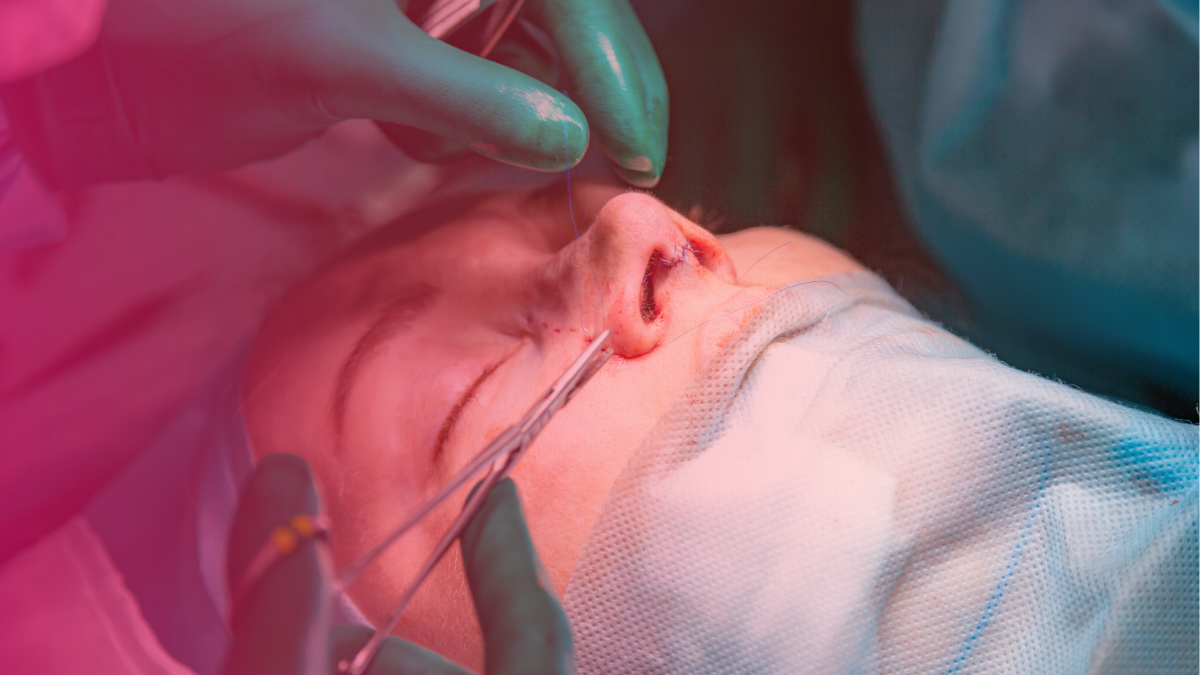
Rhinoplasty is one of the most technically demanding surgeries in cosmetic medicine — and one of the hardest to revise if something goes wrong. With costs starting at $11,000 nationally, the surgeon you choose matters far more than the price difference between them. These are the questions worth asking out loud in the consultation room, before you sign anything.
- How many rhinoplasties do you perform each year, and what percentage of your practice is dedicated specifically to nasal surgery?
A surgeon who performs rhinoplasty as a primary focus — not a rotating item in a general cosmetic menu — will give you a specific annual volume, typically 100 or more cases for a dedicated specialist. If the answer is vague, or if they describe doing many different types of procedures and can't name a number, that's a meaningful red flag. Rhinoplasty is unforgiving of generalists.
- Can I see before-and-after photos of patients with a nose similar to mine — same skin thickness, same ethnic background, same structural concern?
A surgeon with genuine experience in your anatomy type can produce a deep gallery showing multiple angles and a range of patient profiles. Sparse galleries, front-only photos, or images that appear heavily filtered should give you pause. You want evidence that this surgeon has solved the specific problem you're bringing to them, not a highlight reel of their easiest cases.
- What is your revision rate — and if I need a revision, what does that process look like and what does it cost?
Top specialists cite revision rates under 5%; the national average sits around 10%. A surgeon who claims they have never needed to revise a result is either being dishonest or has a very small case volume. The revision conversation is uncomfortable to have upfront, which is exactly why you should have it before surgery.
- What specifically can you change about my nose given my anatomy — and what can't be changed?
Your skin thickness, cartilage structure, and skeletal foundation all place hard limits on what surgery can achieve. A good surgeon explains those limits clearly and ties them to your specific face. A red flag is a surgeon who agrees to everything you want, particularly one who leans on digital morphing software as if those images constitute a promise.
- Will this be open or closed rhinoplasty, and why is that the right choice for my goals?
There is no universally correct technique — the right answer depends entirely on your anatomy and what you're trying to achieve. If a surgeon cannot explain the rationale for their recommendation in plain terms, or presents one approach as always superior, you haven't gotten a real answer yet.
- How will this procedure affect my breathing — and if my breathing is currently fine, how will you protect it?
Function and aesthetics are not separate conversations in rhinoplasty. A good surgeon treats them as equally important and describes specific steps to assess and preserve your airway. Be cautious of any surgeon who hasn't evaluated your septal and turbinate anatomy before discussing structural changes to your nose.
- What does week-by-week recovery actually look like — not the optimistic version?
Patients consistently describe the first three months as emotionally harder than they expected. The cast comes off and your nose looks nothing like what you imagined. The tip stays swollen longer than the bridge. Tip numbness — the sensation of touching a stranger's face — can last months. A surgeon who gives you the real timeline, including the ugly duckling phase and the 12-to-18-month full result window, is one worth trusting.
- If I look in the mirror at three months and feel something is wrong, what is your process for figuring out whether that's true or whether I just need more time?
Three months is too early to evaluate a rhinoplasty result — but patients at three months frequently believe something has gone wrong. A good surgeon has a clear protocol for this conversation and specific clinical markers they use to distinguish normal healing variation from an actual complication. Any surgeon who becomes defensive when you raise this question will handle it worse when you raise it post-op.
- Do you have hospital privileges, and where will this procedure be performed?
This is a patient safety question, not a credential formality. Surgery performed in an accredited facility by a surgeon with hospital admitting privileges gives you a meaningful safety backstop if something goes wrong. An unaccredited office setting with no hospital affiliation is a real risk, regardless of how impressive the consultation felt.
- What does your after-hours communication look like during the first two weeks of recovery, and who specifically is available if I have concerns?
The first week post-rhinoplasty involves real anxiety — swelling, bruising, tip numbness, and the morning-after-morning cycle of waking up convinced something is wrong. A surgeon who names a specific point of contact and a clear protocol is telling you something important about how they practice. "Call the office" is not an answer.
---
Find Providers Near You
If you're comparing surgeons, browse rhinoplasty providers on Get Clear Beauty to see pricing and credentials side by side. When you're ready to plan your recovery, the rhinoplasty recovery guide covers what to expect week by week.
Prices vary by location and provider.
Compare Rhinoplasty providers and estimated prices near you.
Rhinoplasty cost guide →This article is for general education about aesthetic treatments and pricing. It is not medical advice and is not a substitute for a consultation with a licensed provider. Always confirm current pricing and suitability directly with a provider before booking.
New aesthetic treatment blogs every week, sent straight to your inbox.
Subscribe on Substack →
Comments
Comments are reviewed before they appear. For medical questions, please consult a licensed provider — we cannot give medical advice here.
Loading comments…