What is the most natural looking facelift?
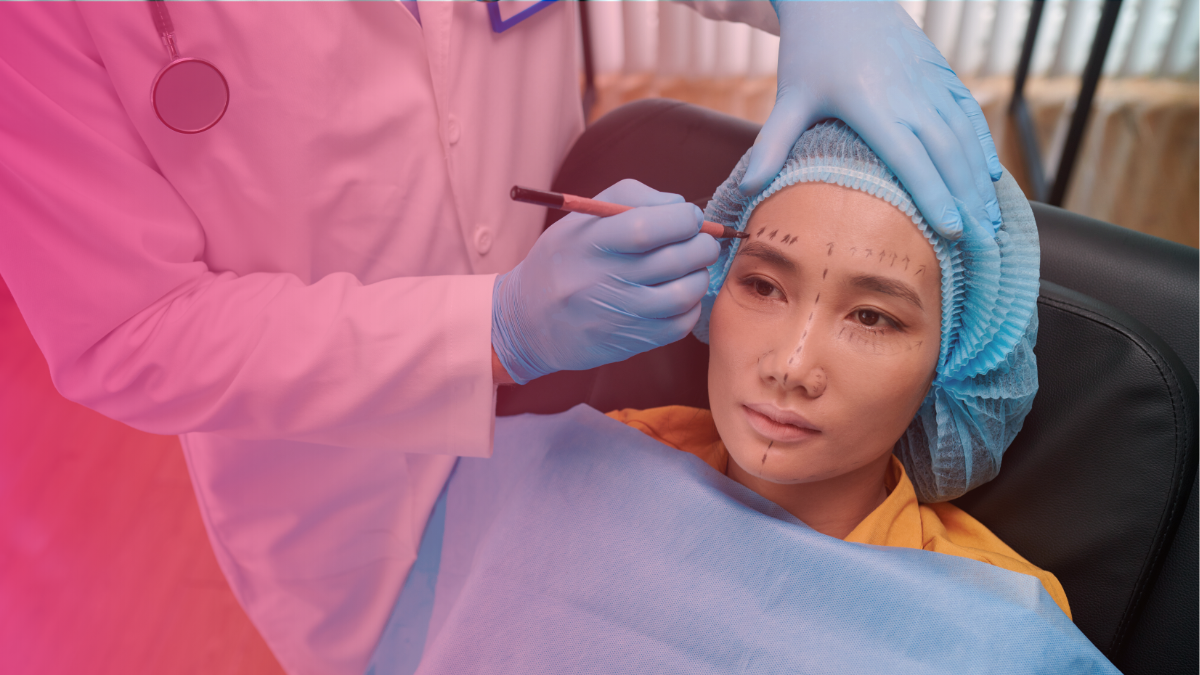
A natural-looking facelift starts at $10,000 and can reach $25,000 all-in with anesthesia and facility fees — and whether it looks subtle or overdone depends far more on your surgeon’s technique and judgment than on the procedure name. The most natural results generally come from surgeons who reposition the deeper SMAS layer of tissue rather than simply pulling skin tight, since tension carried by skin alone is what tends to produce the swept, pulled appearance patients want to avoid.
There is no single operation sold under the name "the natural facelift." What exists is a set of techniques, and surgeons who use them with restraint. The common thread across results that age well is that tissue is repositioned upward and backward along the vectors it descended, volume is restored where it was lost rather than added indiscriminately, the skin is redraped without tension, and the hairline and earlobe are respected so that no visible signature of surgery is left behind. Judging that in advance means looking at a surgeon’s own long-term photographs rather than at the label on their website.
What makes a facelift look natural?
Four things, in most surgeons’ accounts. The first is where the tension sits. When the deeper tissue layer carries the lift and the skin is simply redraped over it, the result moves and settles more naturally than when the skin itself is pulled taut.
Prices vary by location and provider.
The second is direction. Facial tissue descends downward and forward with age, so repositioning it upward and backward along that same axis restores the original arrangement. Pulling laterally toward the ears widens the face and flattens it, which is a large part of what reads as operated.
The third is volume. A face that has lost fat and bone support does not look younger when it is only tightened, so many surgeons combine repositioning with fat grafting or address volume separately.
The fourth is restraint, which is the hardest to assess from outside. Details like preserving the tragus, avoiding a stretched earlobe, keeping incisions within the natural contours of the ear and hairline, and stopping short of maximum correction are what separate a result nobody identifies as surgery from one everybody does.
How can I lift my saggy face without surgery?
Non-surgical options can soften early sagging, but they don’t replicate what a facelift achieves. PDO threads and Ultherapy, which uses ultrasound energy to stimulate collagen at depth, work best on mild laxity in patients in their 40s and early 50s. For moderate to significant jowling, loose neck skin, or deep nasolabial folds, surgery remains the most effective and longest-lasting correction.
If you’re not ready for surgery, a combination approach of Sculptra, a collagen stimulator rather than a filler, plus Ultherapy can buy time and improve overall volume and tone. Be realistic about what that buys: these treatments deliver gradual, moderate improvement rather than the structural lift surgery provides, and they require repeating. A board-certified plastic surgeon can assess your anatomy and tell you honestly which category you fall into, and a surgeon willing to say you are not yet a candidate is generally worth returning to when you are.
Filler deserves a specific caution here. Using volume to compensate for laxity, particularly in the midface, can add weight to tissue that is already descending, and heavily filled faces are a recognizable look in their own right. Volume replacement works well alongside a lift and works poorly as a substitute for one.
What is the difference between a SMAS, deep-plane, and skin-only facelift?
A skin-only facelift lifts and removes skin without addressing the layer beneath it. It is the oldest approach, it produces the shortest-lived result, and because the skin carries all the tension it is the technique most associated with a tight, pulled appearance. Few surgeons offer it as a primary operation today.
SMAS techniques address the fibrous layer that sits over the facial muscles, either by folding it, tightening it, or removing a strip of it and suturing the edges. This is the broad category most facelifts fall into, and it covers a wide range of specific approaches with meaningfully different results.
A deep-plane facelift releases the ligaments beneath the SMAS and lifts the SMAS and overlying skin together as one unit, which allows repositioning without separating the layers. Composite techniques extend that principle further. These approaches are more technically demanding and generally involve a longer operation.
Deep-plane surgery has become the technique most frequently described as producing natural results, and that reputation is not unfounded. It is worth knowing that rigorous head-to-head comparisons between techniques are limited, and that an experienced surgeon executing a SMAS lift well produces better results than an inexperienced one attempting a deep plane. Choose the surgeon, then ask about the technique.
How much does a natural-looking facelift cost?
The national range runs from starting at $10,000 up to $25,000 all-in. When comparing quotes, make sure you’re comparing the same components: surgeon fee, anesthesia, facility, and post-op care. A quote of $10,000 in a mid-tier market may not include the same depth of procedure as a $20,000 quote in New York or Los Angeles.
The single most useful thing you can do is request a written, itemized quote from every practice you consult. A surgeon’s fee quoted on its own is not comparable to an all-in figure, and the difference between them is frequently several thousand dollars once anesthesia and facility charges are added. Ask specifically whether post-operative visits, garments, and any prescribed medications are included.
What drives the price up or down?
Surgeon experience and reputation account for a large share of the spread, and in a procedure this technique-dependent, that premium buys something real. Geography moves the number substantially, with the major coastal metros running well above smaller markets.
The extent of the operation matters. A lift confined to the lower face costs less than one combined with a neck lift, and adding fat grafting, a brow lift, or eyelid surgery raises the total, though combining procedures under one anesthetic is usually more economical than staging them separately. Anesthesia type and duration feed directly into the bill, as does the facility, since an accredited office surgical suite, an ambulatory center, and a hospital each carry different fees.
Revision surgery is generally more complex than a first operation and priced accordingly. Ask each surgeon what their policy is if a revision or minor adjustment is needed, since some include a defined touch-up period and others do not, and that difference is worth more than a small gap in the headline price.
How long do the results last?
Results are commonly described as holding for roughly a decade, though this varies considerably between patients and no facelift stops the underlying aging process. What surgery does is reset the position of tissue that has descended. Skin continues to lose elasticity afterward, fat pads continue to change, and bone continues to remodel, so a face ten years after surgery generally looks better than it would have without surgery rather than looking unchanged from the day the swelling settled.
Several things influence how long the result holds. Sun exposure, smoking, significant weight fluctuation, and genetics all play a part. Ongoing care of the skin surface, which surgery does not address, contributes to how the result reads over time. Many patients maintain with neuromodulators, resurfacing, or modest volume replacement in the years afterward.
Ask your surgeon what they have observed in their own long-term patients, and ask to see photographs taken several years post-operatively rather than at three months. Those are the images that tell you what you are buying.
Who is not a good candidate for a facelift?
Smoking is the most significant modifiable risk factor, because nicotine constricts the small vessels that supply the skin flaps, and the consequence can be poor healing or skin loss along the incisions. Most surgeons require patients to stop for a defined period before and after surgery, and many will decline to operate otherwise.
Uncontrolled hypertension raises the risk of hematoma, which is the most common early complication after a facelift and sometimes requires a return to the operating room. Bleeding disorders and anticoagulant medications need specific management with your prescribing physician. Uncontrolled diabetes, significant cardiac or pulmonary disease, and conditions that impair healing all warrant medical clearance and may rule out elective surgery.
Patients planning substantial weight loss are usually advised to reach a stable weight first. Patients whose expectations do not match what surgery can deliver, including those seeking a fundamentally different face rather than a restored version of their own, are poor candidates regardless of their health. A surgeon who declines to operate for that reason is protecting you.
What will a facelift not do?
A facelift addresses the lower face, jawline, and neck. It does not lift the brow or forehead, which requires a brow lift, and it does not address excess skin or fat on the eyelids, which requires blepharoplasty. Patients frequently arrive expecting one operation to handle all of it, and the surgeon’s job is to explain which concerns need which procedure.
It does nothing for the quality of the skin surface. Sun damage, pigmentation, fine lines, texture, redness, and acne scarring all remain exactly as they were, and they are treated with resurfacing, peels, and topical care. A tightened face with untreated sun damage still reads as aged, which is why many surgeons plan skin treatment alongside surgery.
It does not eliminate deep nasolabial folds entirely, though it usually softens them, and it does not stop aging. Understanding these limits before surgery is the difference between a patient who is pleased with a good result and one who is disappointed by the same result.
What should I look for in before-and-after photographs?
Reviewing photographs is essential, and reviewing them well takes more than a glance. Look for patients whose starting anatomy resembles yours in age, skin quality, and the pattern of descent, since a result on a slim 45-year-old tells you little about what to expect at 65.
Insist on consistent photography, meaning the same angle, distance, lighting, and expression in both images. A before photograph taken under harsh overhead light with a neutral expression against an after photograph taken in flattering light with a smile is not evidence of anything.
Look at the ears specifically, since that is where surgery leaves its signature. A natural result preserves the tragus, keeps the earlobe in its original position and orientation rather than stretched downward, and hides incisions in natural contours. Look at the hairline for displacement or thinning around the temples. Above all, ask for images taken at least a year after surgery, and ideally five or more, because a face at three months post-operatively is still swollen in ways that flatter the result.
What should I ask my surgeon?
Ask whether they are certified by the American Board of Plastic Surgery or the American Board of Facial Plastic and Reconstructive Surgery, and how many facelifts they perform in a typical year. Ask which technique they recommend for your anatomy and why, and what they would expect it to achieve and not achieve.
Ask where the surgery will be performed and whether the facility is accredited. Ask who administers the anesthesia and what their credentials are. Ask what their hematoma rate is and how they manage one, and what their policy is on revisions.
Ask about the realistic recovery timeline for someone with your job and obligations, including when you could return to work, exercise, and social events. Ask what the follow-up schedule looks like and how you reach someone after hours.
Ask, too, which symptoms mean you should call urgently rather than wait for your next appointment. Swelling, bruising, and tightness that ease day by day are the ordinary course. What is not ordinary is rapidly increasing swelling or firmness on one side, often with escalating pain, which is the usual presentation of a hematoma and is treated soonest when reported soonest. Spreading redness, warmth, drainage, or a fever suggests infection and needs same-day attention. Skin along an incision that turns dark, dusky, or blistered should be seen promptly, as should a new facial weakness, a drooping lip, or any asymmetry of movement. Calf pain or swelling, chest pain, and sudden shortness of breath after any operation under anesthesia warrant emergency care rather than a message to the office. A surgeon who hands you this list in writing before surgery has thought about your recovery as carefully as your result. Finally, ask what they would recommend if you decided against surgery, since a surgeon with a considered answer to that question is one who is assessing you rather than selling to you.
Find providers near you
Get Clear Beauty shows real facelift pricing from plastic surgeons, so you can compare costs before booking a single appointment. Start with our facelift cost guide to understand what’s included in a quote, then read the facelift recovery guide to know what the weeks after surgery actually look like.
Compare Face Lift providers and estimated prices near you.
Face Lift cost guide →This article is for general education about aesthetic treatments and pricing. It is not medical advice and is not a substitute for a consultation with a licensed provider. Always confirm current pricing and suitability directly with a provider before booking.
New aesthetic treatment blogs every week, sent straight to your inbox.
Subscribe on Substack →
Comments
Comments are reviewed before they appear. For medical questions, please consult a licensed provider — we cannot give medical advice here.
Loading comments…